List: word usually written using kana alone
Words and expressions which are always written using hiragana or katakana.
popular rarely used kana form usually written using kana alone godan verb godan verb (archaic) verb (generic) transitive verb
- to disentangle, to untangle, to unravel, to loosen
- to break up into pieces, to pick apart, to flake (a fish)
- to relieve, to ease, to relax
popular rarely used kanji form JLPT N4 humble language usually written using kana alone godan verb godan verb (archaic) verb (generic) intransitive verb formal or literary term female term expression dated term obsolete term transitive verb auxiliary verb
- to go, to come
- to lose, to be defeated, to give up, to be beaten, to yield
- to be stumped (by), to be at a loss, to be nonplussed (by), to be confused, to be bewildered
- to visit (a shrine, grave, etc.), to go to worship (at a temple)
- to give in (of one's body), to be exhausted (by), to weaken, to collapse (e.g. in the heat)
- to have one's heart stolen (by), to be madly in love (with), to be infatuated (with)
- to, for the attention of, with respect, presented to
- to die
- to go, to come
- to go, to come
- to have a sword fight
- to offer up (alcohol), to present (a cup of sake)
- to go, to come
popular JLPT N4 usually written using kana alone noun noun (generic)
- intention, plan, purpose, expectation
- belief, assumption, thought, conviction
- estimate, estimation, calculation
popular usually written using kana alone noun noun (generic) derogatory
- old man
- old geezer
popular usually written using kana alone noun noun (generic)
- cotton rose (Hibiscus mutabilis), Confederate rose, dixie rosemallow
- lotus blossom
popular search-only kana form rarely used kanji form JLPT N2 い adjective adjective (generic) usually written using kana alone adverb Kansai-ben
- great, excellent, admirable, commendable, laudable, honorable, wonderful, outstanding, extraordinary
- distinguished, important, high-ranking, powerful, eminent, famous
- awful, terrible, serious, tremendous, great, mighty, severe
- tiring, tough, hard
- very, extremely
popular JLPT N3 godan verb godan verb (archaic) verb (generic) intransitive verb usually written using kana alone auxiliary verb Kansai-ben archaic
- to rot, to go bad, to decay, to spoil, to fester, to decompose, to turn sour (e.g. milk)
- to corrode, to weather, to crumble
- to become useless, to blunt, to weaken (from lack of practice)
- to become depraved, to be degenerate, to be morally bankrupt, to be corrupt
- to be depressed, to be dispirited, to feel discouraged, to feel down
- to have the audacity to, to be bastard enough to
- to lose a bet
- to be drenched, to become sopping wet
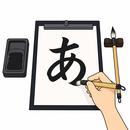 平仮名ひらがなhiragana
popular search-only kanji form JLPT N2 usually written using kana alone noun noun (generic)
- hiragana, cursive Japanese syllabary used primarily for native Japanese words (esp. function words, inflections, etc.)
popular usually written using kana alone noun noun (generic)
- scale (of fish, snake, etc.)
- serif (on kana or kanji (e.g. in Mincho font))
popular search-only kanji form usually written using kana alone noun noun (generic)
- wax